S.S Tanks
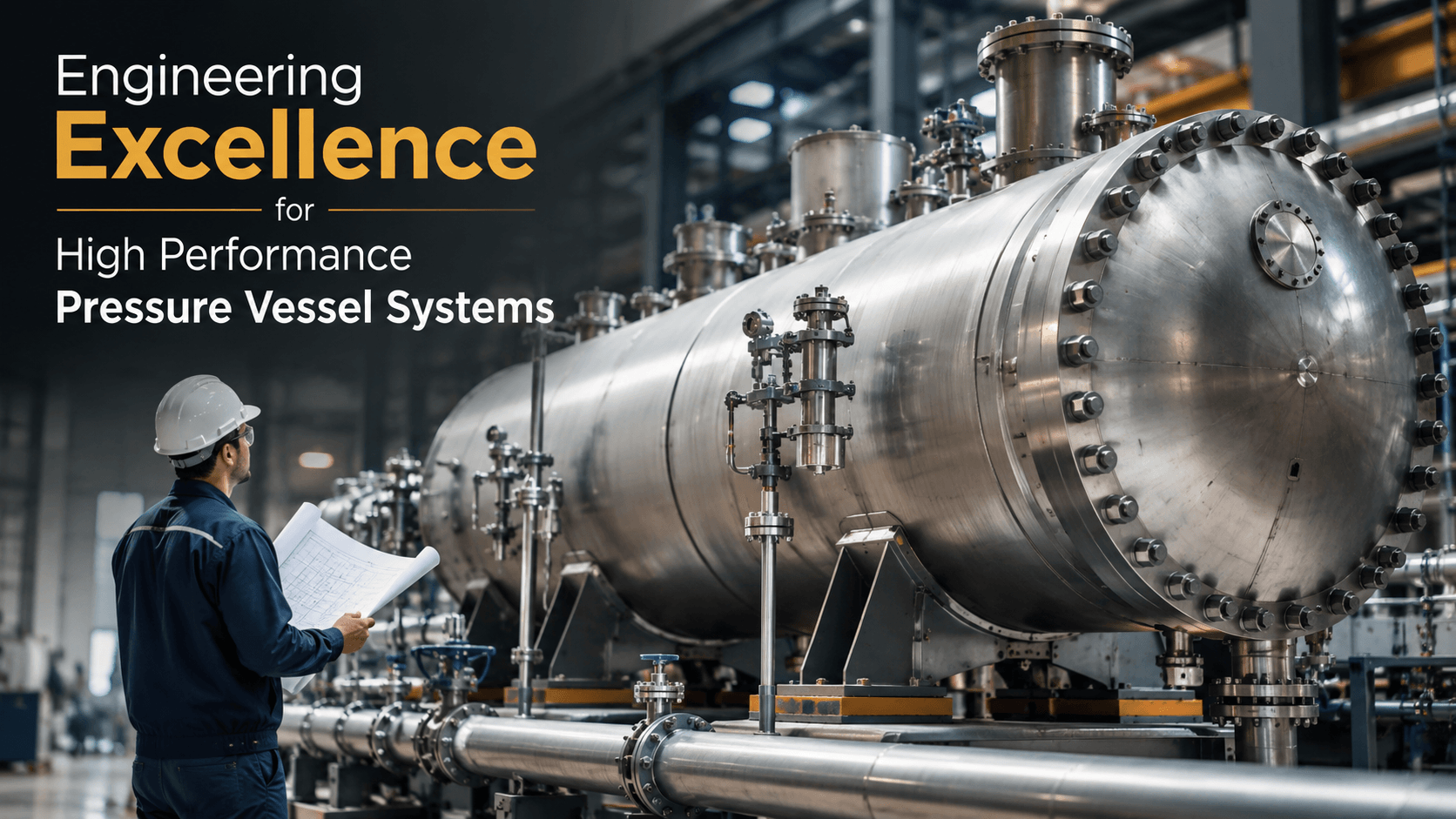
Engineering Excellence for High Performance Pressure Vessel Systems
Introduction
Pressure vessels are critical assets in industries that operate under demanding conditions involving compressed gases, steam, and process fluids. Their design, fabrication, and maintenance directly influence operational safety and production efficiency. Choosing a pressure vessel fabrication company in india requires evaluating engineering capabilities, material quality, manufacturing precision, and compliance with recognized industry standards. A well fabricated vessel supports reliable performance, minimizes downtime, and contributes to safe industrial operations across a wide range of applications.
Key Considerations Before Selecting a Fabrication Partner
The success of any pressure vessel project begins with choosing equipment that meets both operational and regulatory requirements. Every vessel should be designed according to its intended pressure, temperature, and application.
Important considerations include:
- Material compatibility
- Operating pressure and temperature
- Structural integrity
- Welding quality
- Corrosion resistance
- Inspection accessibility
- Maintenance requirements
Careful planning helps ensure that the equipment delivers dependable service throughout its operational life.
Choosing the Right pressure vessels
Selecting the right fabrication partner involves more than comparing prices. Buyers should evaluate technical expertise, manufacturing practices, and quality assurance procedures. Working with a reliable manufacturer of pressure vessels helps ensure consistent product quality and dependable long term performance.
| Evaluation Factor | Importance |
|---|---|
| Engineering capability | Supports accurate vessel design |
| Material certification | Improves durability and reliability |
| Fabrication precision | Enhances structural strength |
| Quality inspections | Identifies defects before delivery |
| Custom manufacturing | Meets project specific requirements |
| Documentation | Supports traceability and compliance |
A detailed evaluation of these factors allows industries to select equipment that performs efficiently while reducing maintenance concerns.
Applications Across Diverse Industries
Pressure vessels are widely used in sectors that require safe containment or processing of liquids and gases under pressure.
Common applications include:
- Chemical manufacturing
- Pharmaceutical production
- Oil and gas processing
- Food and beverage industries
- Water treatment plants
- Fertilizer production
- Petrochemical facilities
- Power generation plants
Each industry has unique operating conditions, making proper engineering and fabrication essential for reliable performance and workplace safety.
Quality Practices Followed by pressure vessels manufacturers
Modern fabrication processes focus on precision, consistency, and long term reliability. Maintaining high quality standards throughout manufacturing contributes to improved operational efficiency and equipment durability. Reputable pressure vessels manufacturers in india emphasize quality control at every stage of production to ensure safe and dependable performance.
Recommended manufacturing practices include:
- Selecting certified raw materials
- Following approved welding procedures
- Performing dimensional inspections
- Conducting non destructive testing where required
- Verifying pressure performance before dispatch
- Maintaining complete quality records
- Inspecting finished products thoroughly
Following disciplined manufacturing procedures helps reduce operational risks while extending equipment service life.
Maintenance Strategies for Long Term Reliability
Routine maintenance is essential for preserving pressure vessel performance and ensuring safe operation throughout its lifecycle. Preventive care minimizes the likelihood of unexpected failures while supporting production continuity.
Effective maintenance practices include:
- Perform scheduled visual inspections.
- Monitor operating pressure consistently.
- Inspect valves and safety devices.
- Check for corrosion or surface damage.
- Replace worn components promptly.
- Maintain detailed inspection records.
- Follow approved operating procedures.
A structured maintenance program enables industries to identify potential issues early and maintain reliable equipment performance over time.
Frequently Asked Questions
Find answers to common questions about industrial storage tanks and pressure vessels.
It safely stores or processes gases and liquids under pressure while supporting industrial operations.
Carbon steel, stainless steel, and alloy steel are widely used depending on application requirements and operating conditions.
Quality inspections help verify structural integrity, identify fabrication defects, and ensure compliance with engineering specifications.
Inspection intervals depend on operating conditions, regulatory requirements, and the maintenance schedule established for the facility.
Material quality, fabrication standards, operating environment, preventive maintenance, and regular inspections all contribute to equipment longevity.
Conclusion
Pressure vessels play an essential role in maintaining safe and efficient industrial processes. Careful attention to design, fabrication quality, inspection, and maintenance supports reliable long term performance while reducing operational risks. Organizations evaluating