S.S Tanks
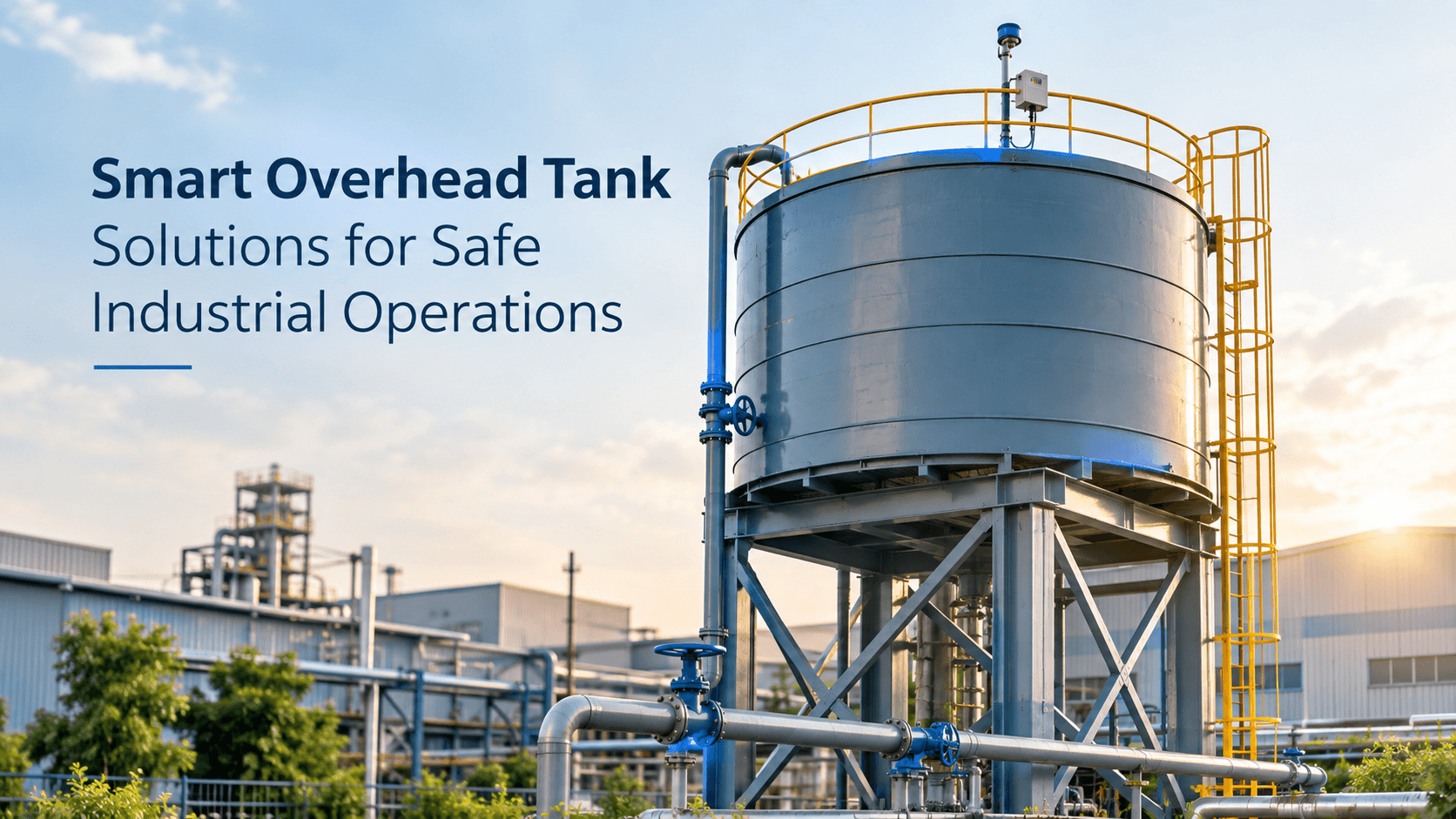
Smart Overhead Tank Solutions for Safe Industrial Operations
Introduction
Industrial storage and transportation systems are essential for maintaining safety, efficiency, and uninterrupted production across multiple sectors. Every application demands a tank that is designed to handle specific materials and operating conditions. A hazardous waste transporter tank is engineered to securely transport waste materials while reducing the risk of leakage and environmental contamination. Choosing the right tank requires careful consideration of material quality, fabrication standards, capacity, and maintenance practices. A well designed solution supports reliable performance while helping industries maintain operational efficiency over the long term.
Understanding the Importance of Specialized Tank Design
Industrial tanks are manufactured to meet different storage and transportation requirements. Their design depends on the characteristics of the material they will contain and the operating environment.
Important design considerations include:
- Material compatibility
- Capacity requirements
- Structural strength
- Corrosion resistance
- Safe loading and unloading
- Ease of inspection
- Long service life
Selecting the right design helps improve operational reliability while supporting safe handling practices in industrial environments.
Benefits of an overhead steel water tank
Reliable water storage is essential for facilities that require a continuous water supply. An elevated storage system improves distribution efficiency while making effective use of available space. Investing in an overhead steel water tank provides dependable storage, structural durability, and consistent water availability for residential, commercial, and industrial applications.
| Feature | Practical Benefit |
|---|---|
| Elevated installation | Supports steady water distribution |
| Durable steel construction | Improves structural reliability |
| Corrosion resistant fabrication | Extends operational life |
| Multiple capacity options | Meets different storage needs |
| Easy inspection access | Simplifies maintenance |
| Strong support structure | Enhances long term stability |
Choosing a properly engineered storage system contributes to efficient water management while reducing maintenance requirements over time.
Applications of Industrial Storage and Transport Tanks
Specialized tanks are used across many industries where safe storage and transportation of liquids are essential.
Common applications include:
- Chemical processing
- Water storage
- Manufacturing facilities
- Agricultural operations
- Pharmaceutical production
- Fire protection systems
- Food processing industries
- Waste management services
Each application requires tanks designed to meet specific operational conditions, ensuring safe handling and dependable performance.
Maintaining a steel overhead water tank for Long Term Performance
Routine maintenance helps preserve structural integrity and water quality while extending the service life of storage systems. A preventive maintenance schedule minimizes unexpected repairs and supports reliable daily operation. Proper care enables a steel overhead water tank to continue performing efficiently even under demanding environmental conditions.
Recommended maintenance practices include:
- Inspect the structure at scheduled intervals.
- Clean the interior to remove sediment deposits.
- Examine welded joints for wear or damage.
- Check inlet and outlet connections.
- Inspect support structures for stability.
- Verify access covers and safety features.
- Maintain detailed maintenance records.
Regular inspections allow small issues to be corrected before they affect overall system performance, reducing long term operating costs.
Planning for Efficient Tank Installation
Proper installation is just as important as selecting the right tank. Careful planning ensures efficient operation and minimizes future maintenance challenges.
Key planning factors include:
- Required storage capacity
- Installation location
- Foundation strength
- Environmental conditions
- Accessibility for inspections
- Future expansion needs
- Daily operational requirements
Evaluating these factors before installation helps maximize efficiency while supporting dependable long term performance.
Frequently Asked Questions
Find answers to common questions about industrial storage tanks and pressure vessels.
They are designed to safely store or transport different materials while meeting operational and safety requirements.
Steel is widely used because it offers strength, durability, and excellent structural performance.
Inspection frequency depends on operating conditions, maintenance schedules, and applicable industry requirements.
Material quality, fabrication standards, installation methods, operating conditions, and regular maintenance all contribute to durability.
Preventive maintenance helps detect wear early, improves reliability, and reduces unexpected repair costs.
Conclusion
Selecting the appropriate industrial tank involves evaluating design quality, fabrication standards, operational requirements, and maintenance planning. A well engineered solution contributes to safe handling, efficient storage, and dependable long term performance across numerous industries. Whether considering specialized transport systems such as an hcl transport tank or other industrial storage solutions, informed decision making supports operational success. Ambica Tanks offers engineered tank solutions designed to meet diverse industrial storage and transportation requirements with quality and reliability.