S.S Tanks
Steel Water Tanks: A Smart Long-Term Solution for Modern Water Storage
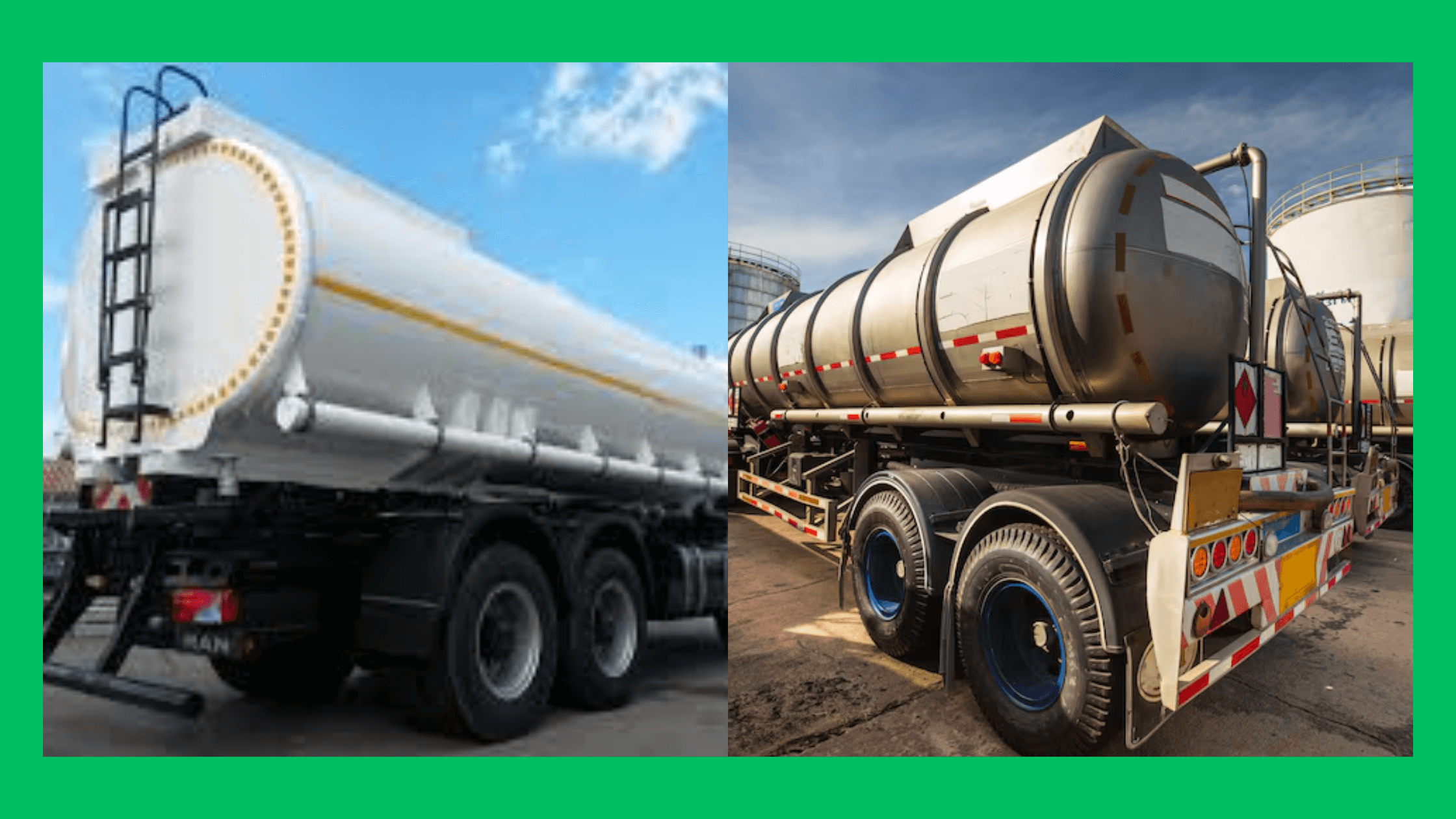
Water storage has evolved from a basic necessity into a carefully planned infrastructure decision. Whether for residential buildings, commercial facilities or industrial use, storage systems must now meet expectations around hygiene, durability and long-term efficiency. In this context, solutions offered by an experienced ss water tank manufacturer have gained attention for addressing both functional and structural demands without compromise.
Modern storage requirements extend beyond capacity alone. Materials must withstand environmental exposure, preserve water quality and maintain performance over decades. Stainless steel–based solutions respond to these expectations by combining engineering reliability with material integrity, making them increasingly relevant in contemporary construction and infrastructure planning.
Rethinking Water Storage in Modern Environments
Traditional storage materials often struggle with corrosion, contamination or structural fatigue over time. As buildings become more complex and usage patterns more demanding, storage systems must adapt accordingly.
Stainless steel storage solutions are designed to align with these evolving needs, offering consistency in performance where other materials degrade or require frequent intervention.
Material Integrity and Water Safety
One of the defining advantages of stainless steel storage systems lies in their inert surface. The material does not react with water, preserving taste and preventing contamination caused by rust or chemical leaching.
This quality is particularly important in applications where water quality directly affects health, processes or product outcomes.
Long-Term Durability Without Degradation
Durability is not simply about strength at installation but about resistance to long-term stress. Stainless steel resists corrosion, temperature fluctuation and structural fatigue far more effectively than many conventional materials.
This resistance ensures that systems retain integrity even under continuous use and variable environmental conditions.
Performance That Matches Modern Demand
Key Functional Advantages:
- Resistance to corrosion and rust
- Maintains water purity over time
- High structural strength
- Minimal maintenance requirements
- Adaptability to varied capacities
- Long service life
Structural Stability in Diverse Conditions
Modern installations face challenges ranging from high humidity to extreme temperature variation. Stainless steel performs reliably across these conditions without cracking, warping or weakening.
This stability makes it suitable for both indoor and outdoor installations, across residential and industrial settings.
Reduced Maintenance and Lifecycle Costs
Frequent maintenance often offsets lower upfront costs in alternative materials. Stainless steel systems reduce this burden through inherent resistance to common failure points.
Lower maintenance translates into reduced downtime, fewer repairs and predictable long-term operating costs.
Design Flexibility and Capacity Options
Stainless steel storage solutions are available in a wide range of capacities and configurations. Modular and customised designs allow integration into varied architectural layouts without sacrificing performance.
This flexibility supports both new construction and retrofit projects.
Supporting Sustainable Infrastructure
Longevity contributes directly to sustainability. Systems that last longer reduce material waste, replacement frequency and resource consumption.
Stainless steel is also recyclable, aligning with environmentally responsible construction practices.
Compatibility With Modern Plumbing Systems
Modern plumbing and distribution systems require compatibility and precision. Stainless steel storage integrates seamlessly with contemporary fittings and control systems.
This compatibility supports efficient water distribution and monitoring.
Industrial and Commercial Applications
In industrial and commercial environments, storage reliability directly impacts operations. Stainless steel solutions are often selected for their ability to support consistent supply without compromising quality.
This reliability reduces operational risk and supports uninterrupted workflows.
Residential Use and Daily Reliability
For residential applications, reliability translates into peace of mind. Clean, stable storage supports daily household needs without frequent inspection or concern.
Consistency in water quality enhances overall living standards.
The Role of Manufacturing Precision
Quality outcomes depend heavily on manufacturing standards. Advanced fabrication techniques ensure uniform thickness, strong welds and consistent finishes.
Working with a trusted ss tank manufacturer ensures that performance expectations are met through precise engineering rather than assumptions.
Resistance to Environmental Exposure
Exposure to sunlight, moisture and airborne contaminants can degrade many storage materials. Stainless steel maintains performance despite prolonged exposure.
This resistance supports outdoor installations without the need for additional protective coatings.
Hygienic Surface Properties
Smooth internal surfaces discourage microbial growth and sediment accumulation. This hygienic advantage simplifies cleaning and supports long-term water safety.
Hygiene is particularly critical in healthcare, hospitality and food-related applications.
Adaptability Across Sectors
From agriculture to manufacturing, water storage needs vary widely. Stainless steel systems adapt easily across sectors, offering consistent performance regardless of application.
This adaptability makes them a versatile choice for diverse requirements.
Structural Efficiency and Space Optimisation
High strength allows thinner walls without compromising safety. This efficiency reduces footprint while maintaining capacity.
Space optimization is particularly valuable in urban and industrial environments where space is limited.
Safety and Compliance Considerations
Many regulatory standards prioritise material safety and hygiene. Stainless steel systems align well with these standards, simplifying compliance.
Compliance supports risk management and operational transparency.
Installation and Integration
Proper installation ensures long-term performance. Stainless steel systems are designed for straightforward installation and secure integration with existing infrastructure.
Clear installation processes reduce project complexity and delays.
Reliability During Demand Peaks
Demand fluctuations place stress on storage systems. Stainless steel retains structural integrity under varying pressure and load conditions.
This reliability supports consistent supply during peak usage.
Technological Compatibility
Modern monitoring and control technologies integrate easily with stainless steel systems. Sensors, valves and automated controls attach securely without material degradation.
This compatibility supports smart infrastructure development.
Investment Value Over Time
Initial investment is balanced by long-term savings. Reduced maintenance, extended lifespan and stable performance contribute to favourable lifecycle economics.
Value is measured not just in cost, but in reliability and predictability.
Planning for Future Needs
Infrastructure decisions should consider future growth. Stainless steel systems scale effectively, supporting capacity expansion without redesign.
This scalability protects long-term planning investments.
Strengthening Water Security
Reliable storage contributes to water security. Consistent performance ensures availability during disruptions or supply fluctuations.
Security becomes a strategic advantage rather than a reactive measure.
A Modern Standard for Storage
As expectations around hygiene, durability and sustainability rise, stainless steel has become a reference standard rather than an alternative.
Its adoption reflects evolving priorities in construction and infrastructure.
Final Perspective
Modern water storage demands solutions that combine durability, hygiene and long-term reliability. Stainless steel systems meet these demands through material integrity, structural stability and reduced lifecycle costs. For applications requiring dependable stainless steel water storage tanks, thoughtful manufacturing and design play a decisive role. At Ambica Tanks, this approach reflects a commitment to engineering storage solutions that support modern infrastructure with consistency, safety and lasting performance.