S.S Tanks
Why a Steel Overhead Water Tank Is the Smart Choice for Modern Water Storage
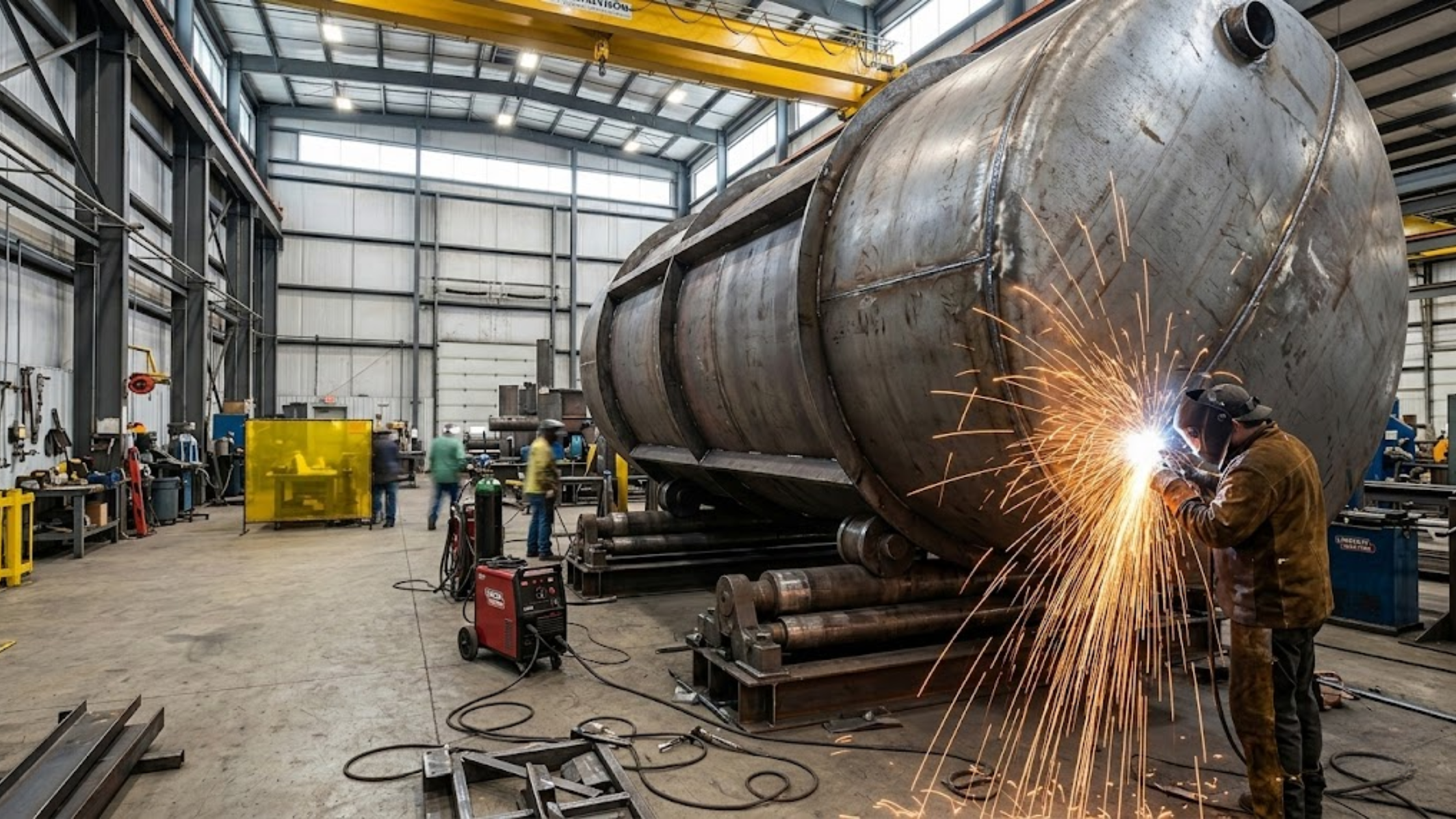
Reliable water storage remains a cornerstone of residential, commercial, and industrial infrastructure. As urban populations expand and construction standards evolve, the demand for durable and efficient storage solutions continues to rise. Among the available options, a steel overhead water tank stands out for its strength, longevity, and adaptability to diverse climatic conditions. Engineered to endure structural stress and environmental exposure, this solution offers a practical response to modern storage challenges.
Elevated storage systems play a vital role in maintaining consistent supply and pressure across multi-storey buildings and industrial facilities. Unlike ground-level reservoirs, elevated units utilise gravity to distribute supply evenly, reducing reliance on pumping systems and lowering operational costs.
Structural Strength and Longevity
Durability defines the primary advantage of metallic storage units. Their rigid construction withstands temperature variations, wind loads, and seismic activity more effectively than many alternative materials. Galvanised and coated surfaces resist corrosion, extending service life even in humid or coastal regions.
Key structural benefits include:
- High tensile strength and load-bearing capacity
- Resistance to cracking under pressure
- Stability during seismic movement
- Minimal risk of structural deformation
- Enhanced safety in elevated installations
This resilience ensures uninterrupted supply while reducing the frequency of replacement.
Hygienic and Safe Storage
Clean storage conditions directly influence public health. Advanced fabrication processes incorporate protective linings that minimise contamination risks. Properly sealed lids and ventilated designs further protect stored water from dust, insects, and environmental pollutants.
Hygiene-related advantages include:
- Smooth interior surfaces for easy cleaning
- Protective coatings to prevent corrosion
- Secure access hatches
- Controlled ventilation systems
- Reduced microbial growth risk
Such features align with modern sanitation standards across residential and commercial properties.
Efficient Design for Urban Infrastructure
Rapid urban development demands infrastructure capable of supporting high-density living. Elevated systems enable efficient distribution across apartment complexes, office buildings, and institutions.
An overhead steel water tank provides reliable gravitational flow, reducing dependence on constant mechanical pumping. This not only conserves energy but also lowers maintenance costs associated with pump wear and tear.
Urban infrastructure benefits include:
- Improved pressure consistency
- Lower energy consumption
- Reduced operational complexity
- Scalability for expanding communities
- Compatibility with rooftop installation
This adaptability makes it suitable for both small residential buildings and large-scale commercial projects.
Resistance to Environmental Stress
Extreme weather conditions challenge storage integrity. High temperatures, heavy rainfall, and strong winds demand robust construction.
Performance advantages include:
- Resistance to ultraviolet degradation
- Minimal expansion and contraction under heat
- Wind load tolerance
- Stability during heavy rainfall
- Long-term structural integrity
These characteristics ensure reliable performance regardless of climate variation.
Customisation and Capacity Flexibility
Modern fabrication techniques allow tailored sizing to meet specific requirements. From compact residential units to expansive industrial installations, capacity can be adjusted without compromising structural strength.
Customisation options often include:
- Variable storage capacities
- Modular construction
- Integrated level indicators
- Ladder and access platform integration
- Insulation options for temperature control
Such flexibility ensures compatibility with diverse project specifications.
Cost-Effectiveness Over Time
Although initial installation costs may appear significant, long-term durability offsets expenditure through reduced repair and replacement needs. Minimal maintenance further enhances cost efficiency.
Economic advantages involve:
- Extended lifespan compared to alternative materials
- Lower maintenance frequency
- Reduced leakage risks
- Minimal structural repair requirements
- Enhanced return on investment
This financial sustainability strengthens its appeal in both private and public infrastructure planning.
Industrial Applications and Manufacturing Expertise
Industrial sectors require large-capacity storage systems to support manufacturing processes, cooling systems, and fire safety reserves. Choosing a reputable water tank manufacturer in india ensures adherence to engineering standards and quality control protocols.
Exposure to sunlight, moisture and airborne contaminants can degrade many storage materials. Stainless steel maintains performance despite prolonged exposure.
This resistance supports outdoor installations without the need for additional protective coatings.
Hygienic Surface Properties
Smooth internal surfaces discourage microbial growth and sediment accumulation. This hygienic advantage simplifies cleaning and supports long-term water safety.
Hygiene is particularly critical in healthcare, hospitality and food-related applications.
Adaptability Across Sectors
From agriculture to manufacturing, water storage needs vary widely. Stainless steel systems adapt easily across sectors, offering consistent performance regardless of application.
This adaptability makes them a versatile choice for diverse requirements.
Structural Efficiency and Space Optimisation
High strength allows thinner walls without compromising safety. This efficiency reduces footprint while maintaining capacity.
Space optimization is particularly valuable in urban and industrial environments where space is limited.
Safety and Compliance Considerations
Many regulatory standards prioritise material safety and hygiene. Stainless steel systems align well with these standards, simplifying compliance.
Compliance supports risk management and operational transparency.
Installation and Integration
Proper installation ensures long-term performance. Stainless steel systems are designed for straightforward installation and secure integration with existing infrastructure.
Clear installation processes reduce project complexity and delays.
Industrial considerations typically include:
- Compliance with safety standards
- Load-bearing calculations
- Corrosion-resistant finishes
- Customised fabrication for site conditions
- Efficient installation procedures
Professional engineering expertise ensures reliability under demanding operational environments.
Sustainability and Environmental Responsibility
Modern construction prioritises sustainability. Metallic storage units contribute to environmental responsibility through recyclability and extended service life.
Environmental benefits include:
- Recyclable material composition
- Reduced resource wastage
- Lower replacement frequency
- Energy-efficient distribution through gravity flow
- Minimal environmental footprint over lifecycle
These attributes align with contemporary green building initiatives.
Conclusion
Elevated metallic storage solutions offer unmatched durability, hygiene, and operational efficiency for modern infrastructure. From urban residential complexes to industrial facilities, their strength and adaptability ensure dependable supply management. For projects seeking quality engineering and reliability, leading storage tank manufacturers in india provide advanced fabrication aligned with current standards. With proven expertise in precision-engineered storage systems, Ambica Tanks supports infrastructure development through durable and efficient water storage solutions tailored to evolving demands.